KRISHI VIGYAN KENDRA, Nicobar
The Education Commission (1966-76) recommended establishing specialized institutions for vocational education in agriculture and allied fields, naming them 'Agricultural Polytechnics'. Discussions with the Ministry of Education, Ministry of Agriculture, Planning Commission, and Indian Council of Agricultural Research (1966-72) led to the establishment of Krishi Vigyan Kendras (Agricultural Science Centres). In 1973, the ICAR Standing Committee on Agricultural Education emphasized the importance of Krishi Vigyan Kendras (KVKs) for accelerating agricultural production and improving socio-economic conditions. A committee was formed to develop a detailed plan, and the first KVK was established in 1974 at Puducherry under Tamil Nadu Agricultural University.
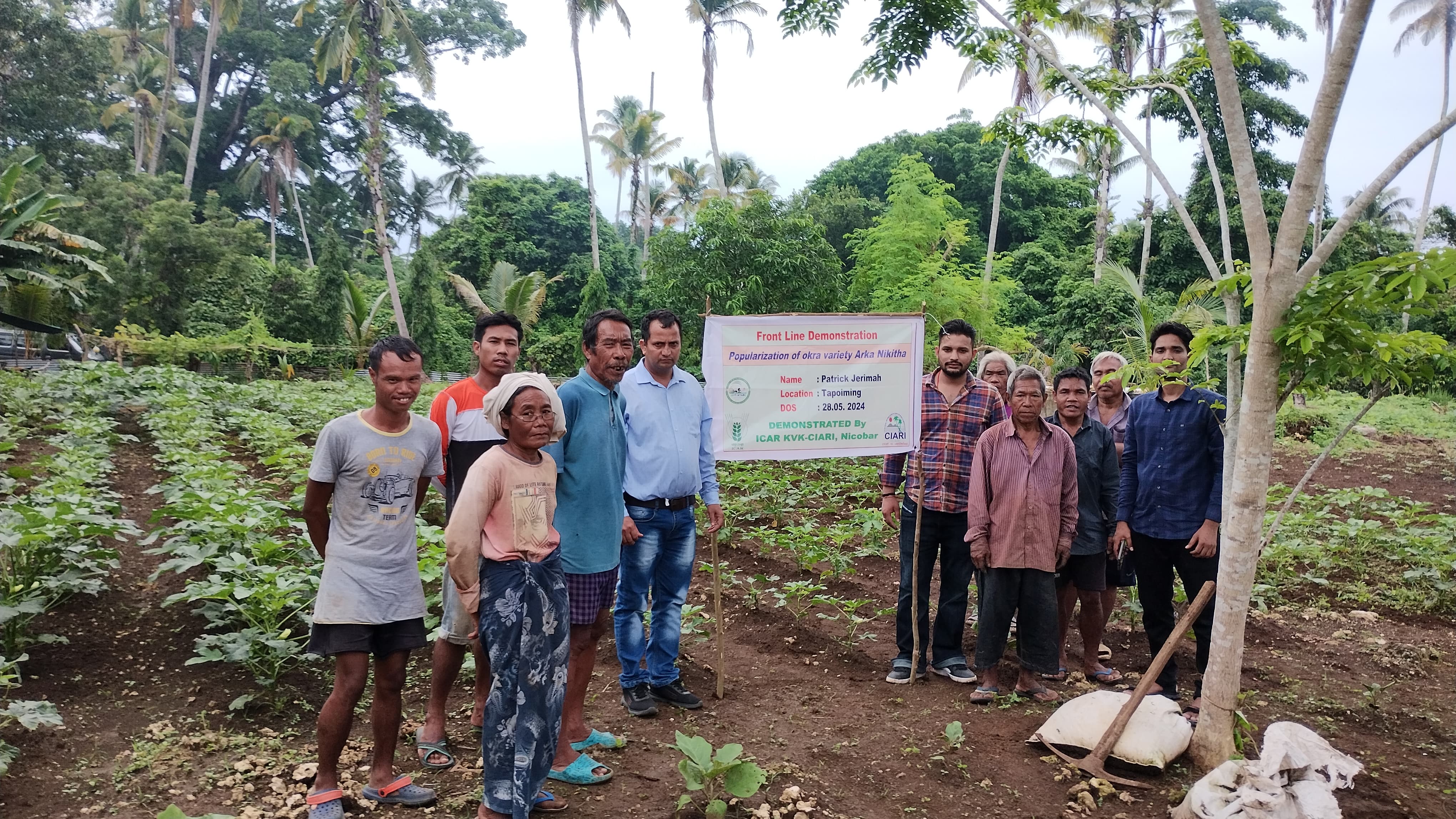
To effectively fulfill the mission, the following actions should be required: educating people about innovative agricultural technologies: finding technologies for site-specific sustainable land use systems by carrying out on-farm testing (OFTs). Setting up Front Line Demonstrations (FLDs) of different crops/livestock/ fishes etc. based on the needs of the regions in order to collect production data and feedback.
KVK Nicobar was sanctioned for Nicobar District in 2010 by ICAR, New Delhi.
Vision
- Science and technology-led growth leading to enhanced productivity, profitability and sustainability of agriculture.
Mission
- Farmer-centric growth in agriculture and allied sectors through application of appropriate technologies in specific agro-ecosystem perspective.
Mandate
- Technology Assessment and Demonstration for its wider Application and to enhance Capacity Development (TADA-CD).
- To implement the mandate effectively through creation of awareness about improved agricultural technologies, the following activities be defined for each KVK.
Activities
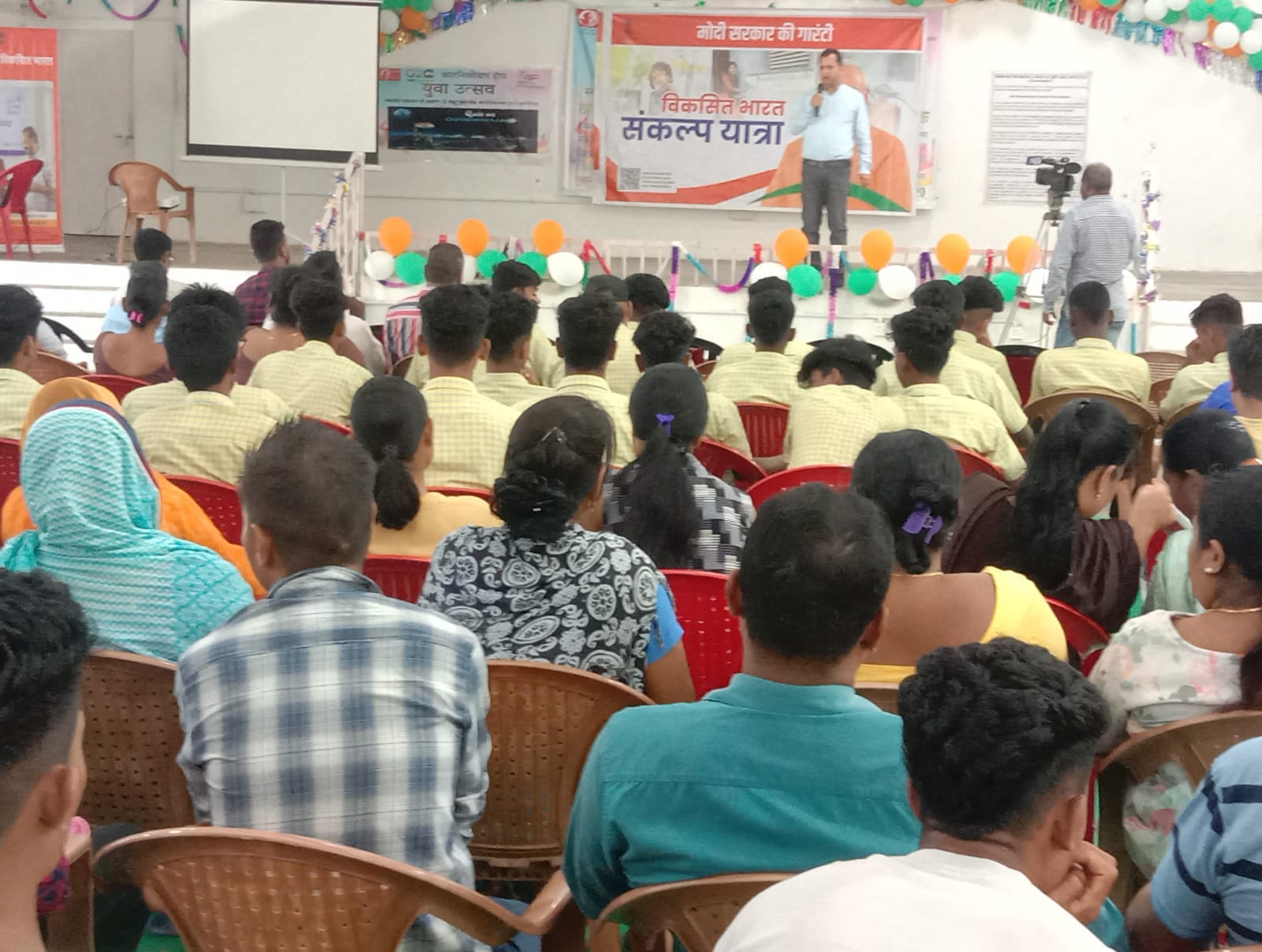
KVK Nicobar has successfully conducted over 28 On-Farm Trials (OFTs) and 40 Frontline Demonstrations (FLDs) under technology assessment and demonstration in various agricultural fields. These include natural farming, vermicomposting, organic farming, scientific vegetable cultivation, integrated farming systems, animal sciences (piggery, goatery, and poultry), farm mechanization, operation and maintenance of farm machinery. Additionally, the KVK has introduced technologies for producing coconut-based value-added products and supported coconut-based enterprises, alongside various income-generation activities under farmer livelihood improvement. During the reporting period, a total of 753 capacity development training programs were organized both on and off-campus by the Subject Matter Specialists (SMS) in Agronomy, Horticulture, Animal Sciences, Agricultural Engineering, and Social science. These programs targeted farmers (3523 participants), rural youth (1523), and extension functionaries (152), with a total of 825 trainee days. The training sessions, which ranged from three to five days, were planned in collaboration with the Institute’s scientists and officials from the Development Departments of A&N Administration to ensure a holistic and integrated approach. The training methodologies emphasized "Teaching by doing" and "Learning by doing" to foster improvements in participants' knowledge, skills, and attitudes. The major training programs covered the same areas as the demonstrations and trials, with a special focus on modern farming practices and technologies to promote sustainable agricultural development and boost rural livelihoods.
Staff Profile
| Name | Designation | e-mail ID | Phone No. |
| Dr. Santosh Kumar | Sr. Scientist cum Head | Santosh.kumar13@icar.org.in | (+91) 9402179679 |
| Shri. Deepoo Meena | Subject Matter Specialist | deepoo.meena@icar.org.in | (+91) 9981168506 |
| Dr. Ajmal S. | Subject Matter Specialist | ajmal.s@icar.org.in | (+91) 9633763032 |
| Dr. Sanketh G.D. | Subject Matter Specialist | sanketh.gd@icar.org.in | (+91) 9448267769 |
| Shri. Mohd. Sarief | Senior Technician, Driver | Mohamad.Sarief@icar.org.in | (+91) 9476093441 |
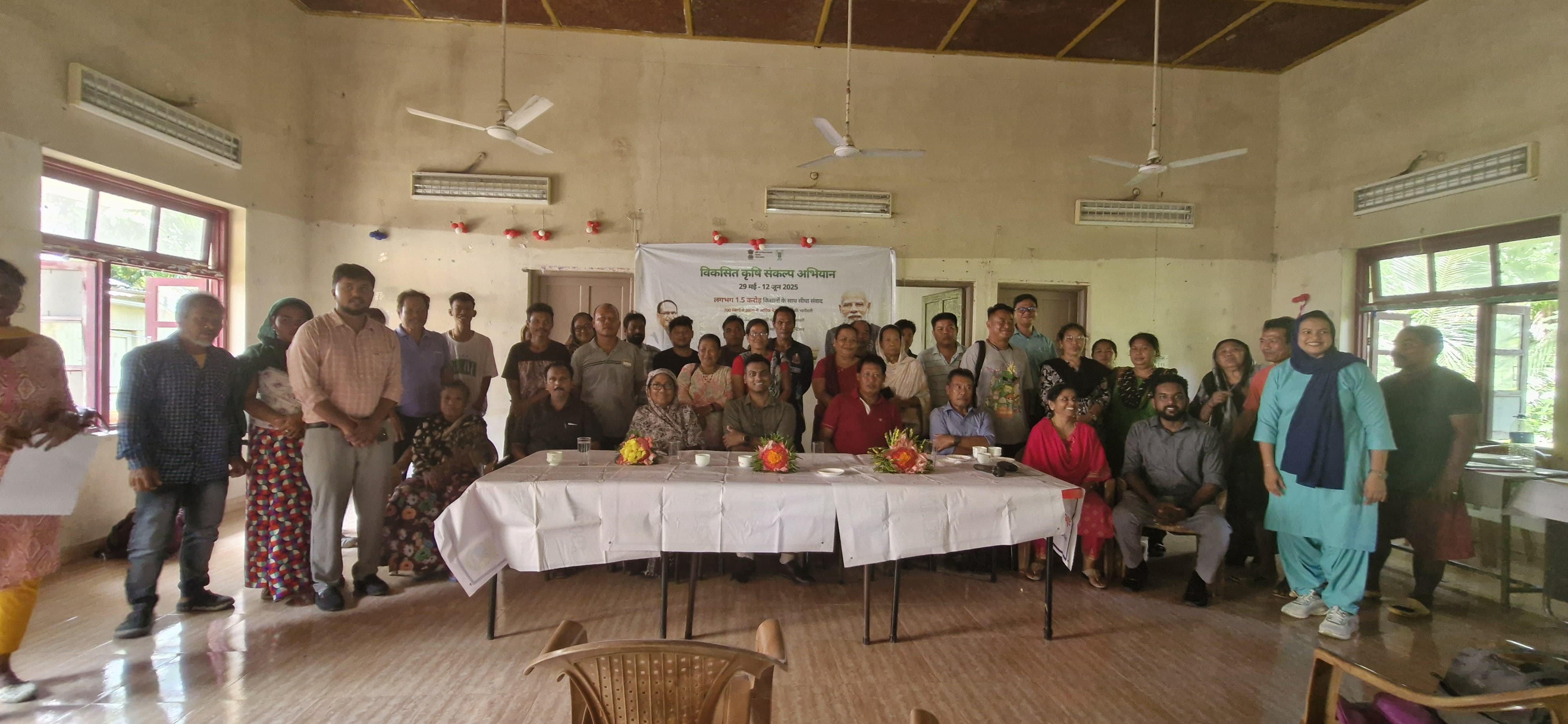
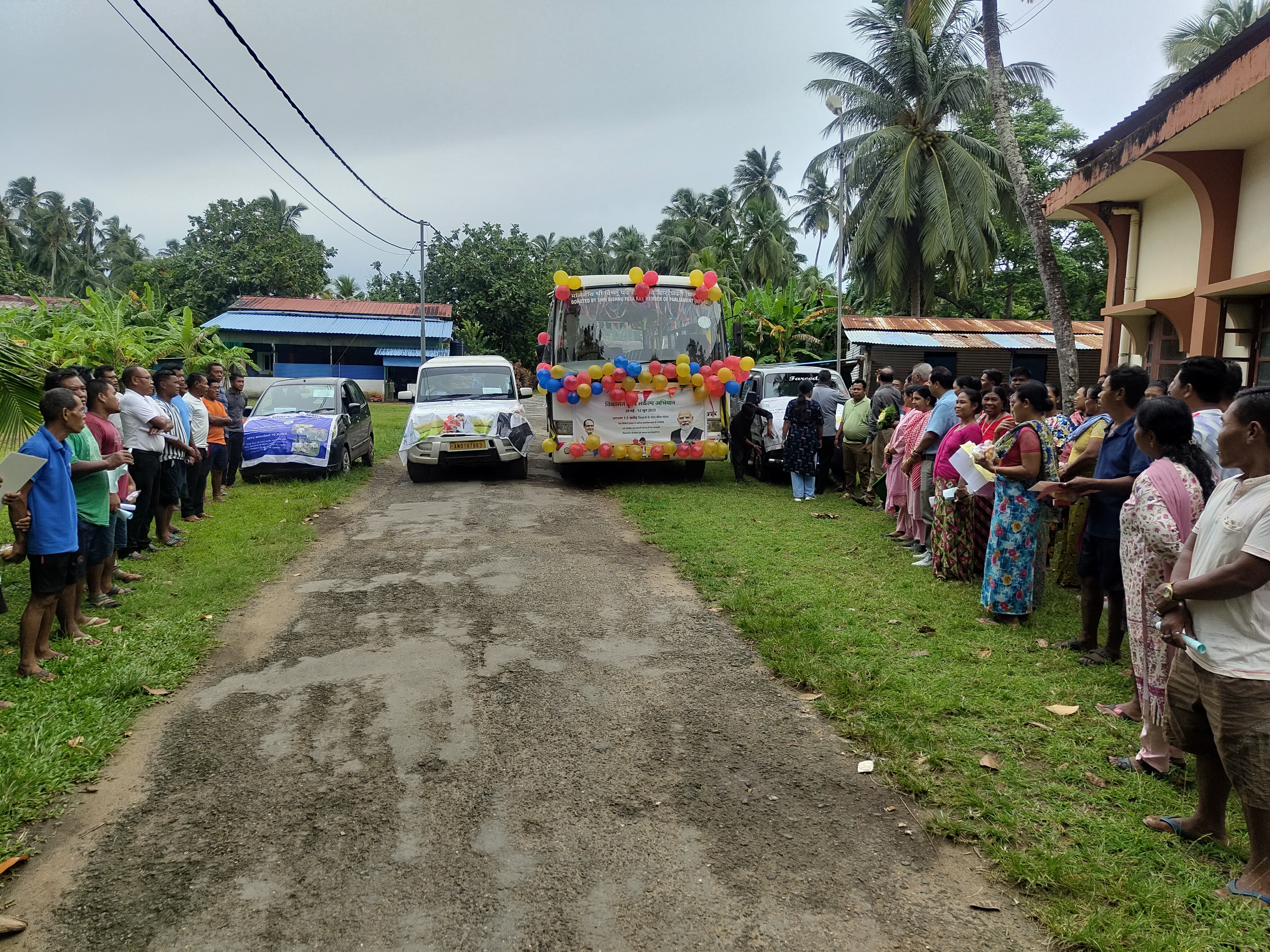
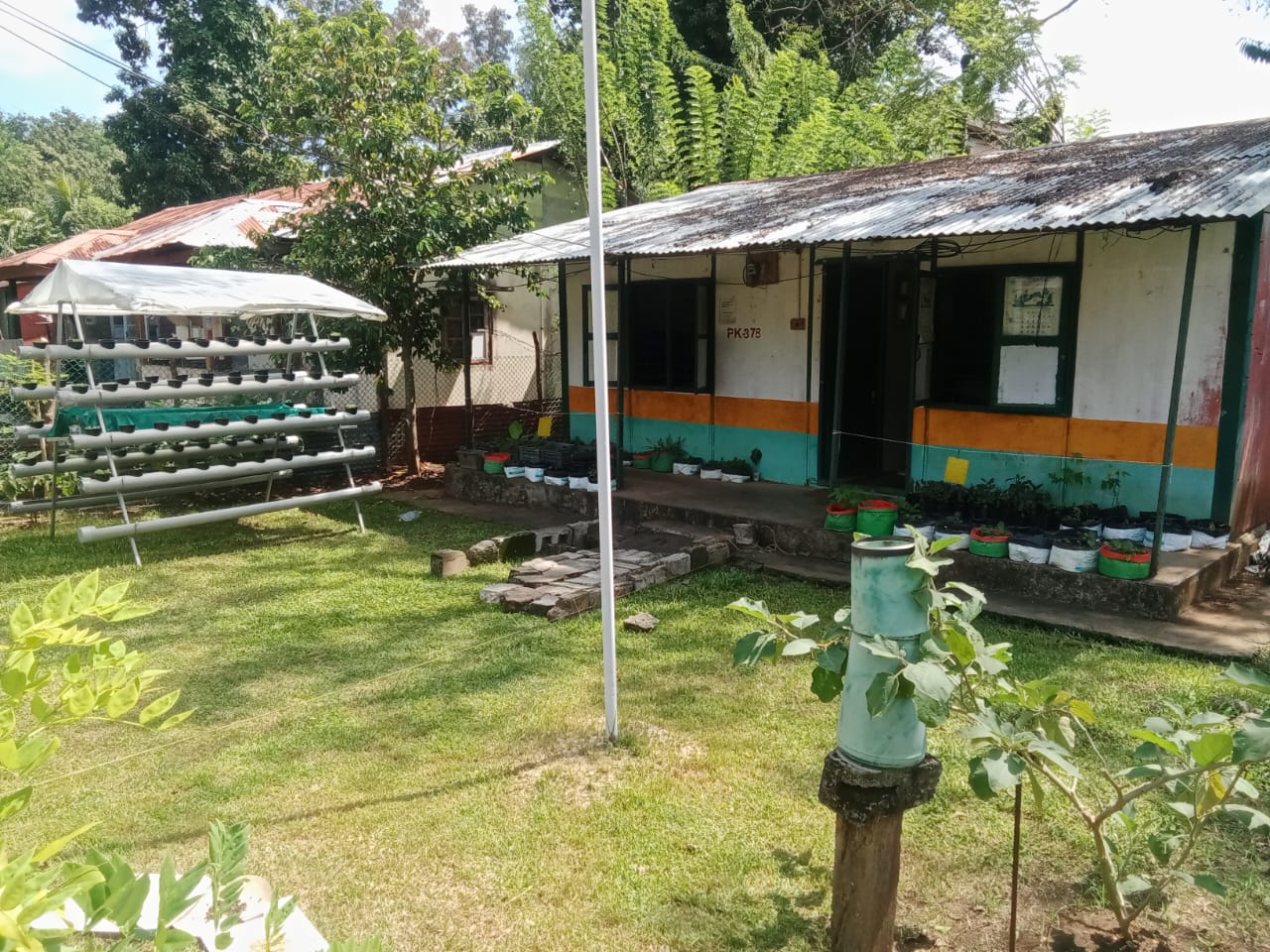
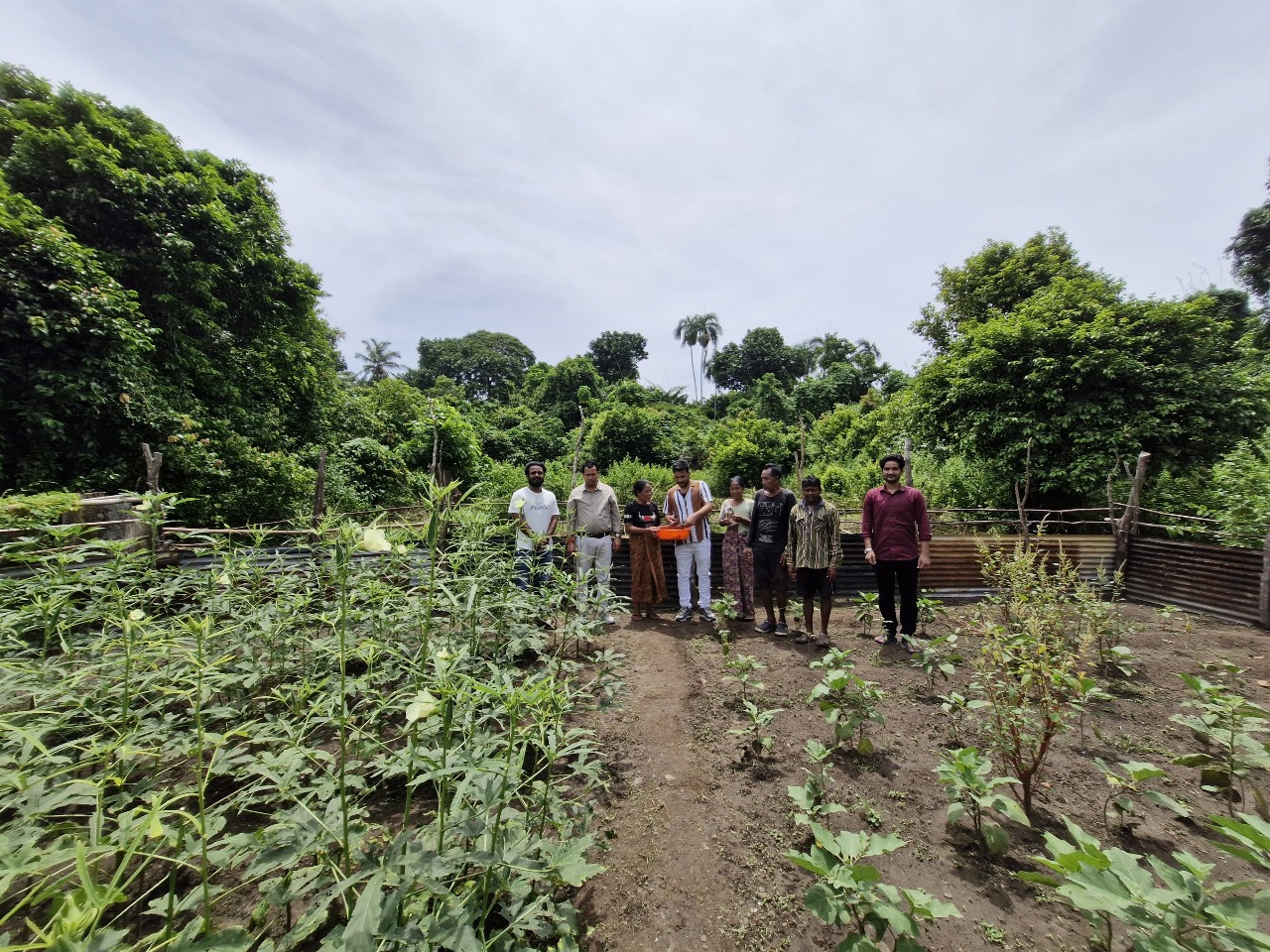
| Glimpses of Activities |
|||
|---|---|---|---|