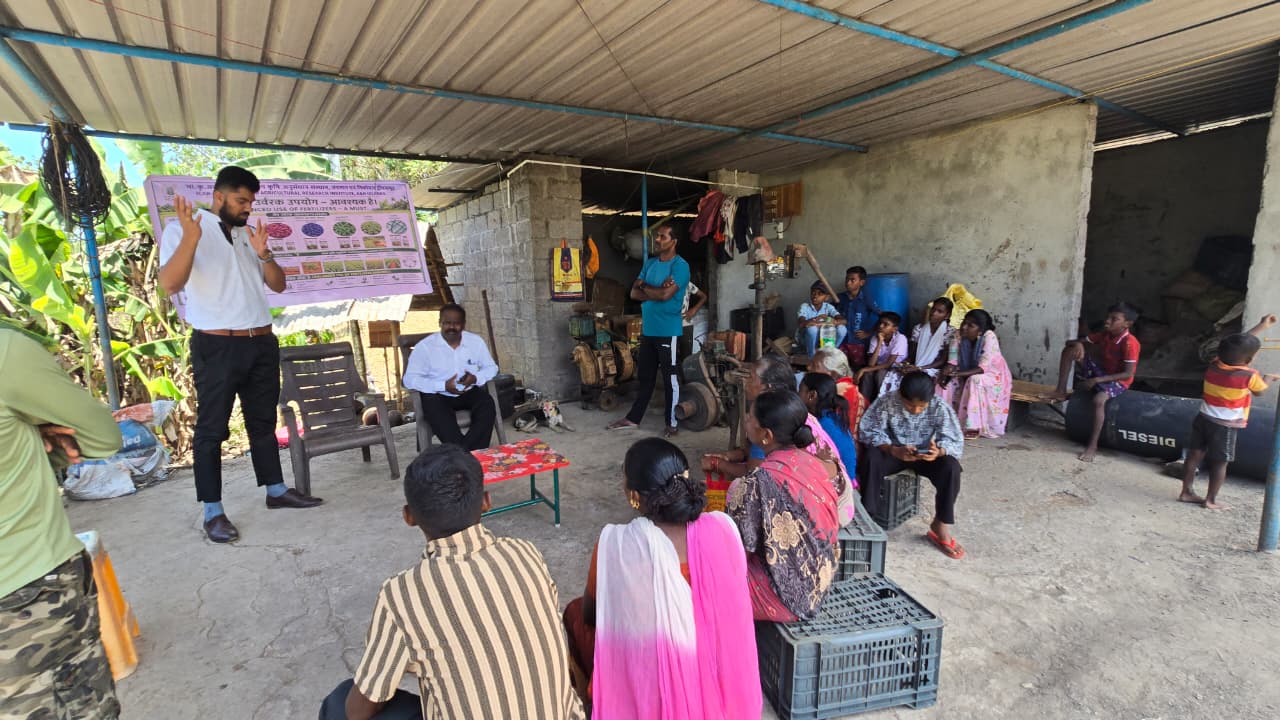
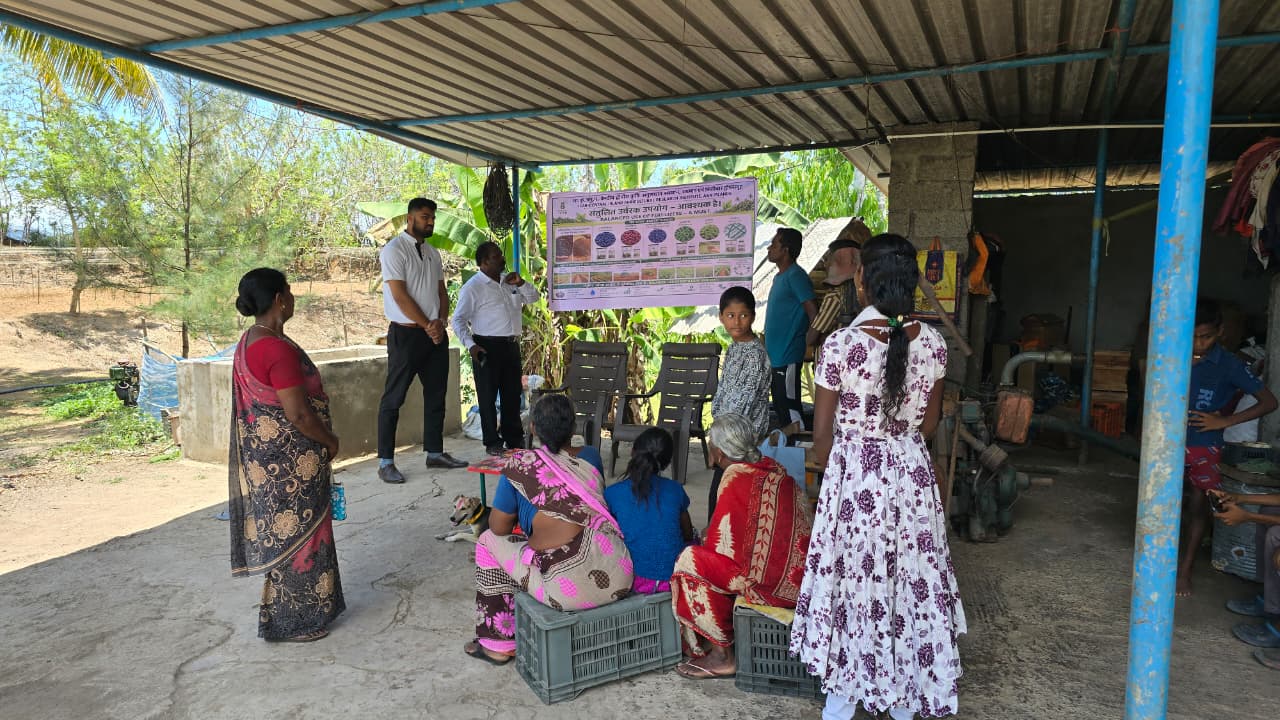
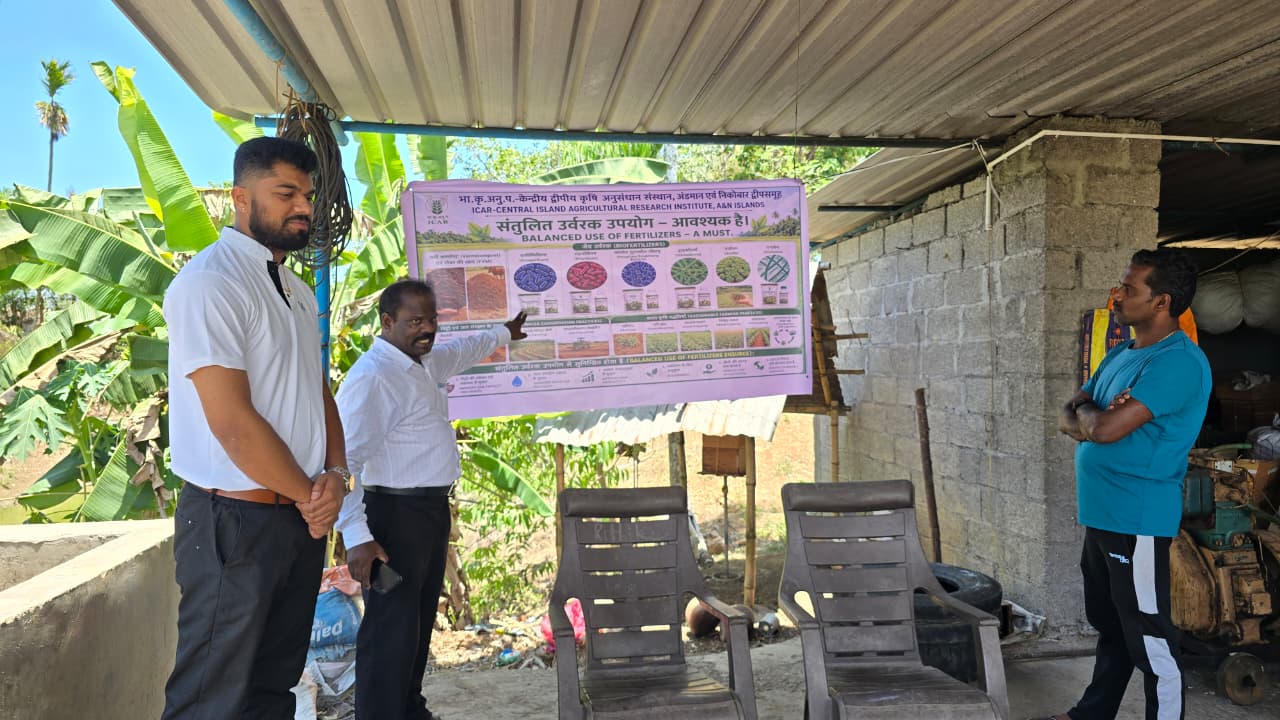
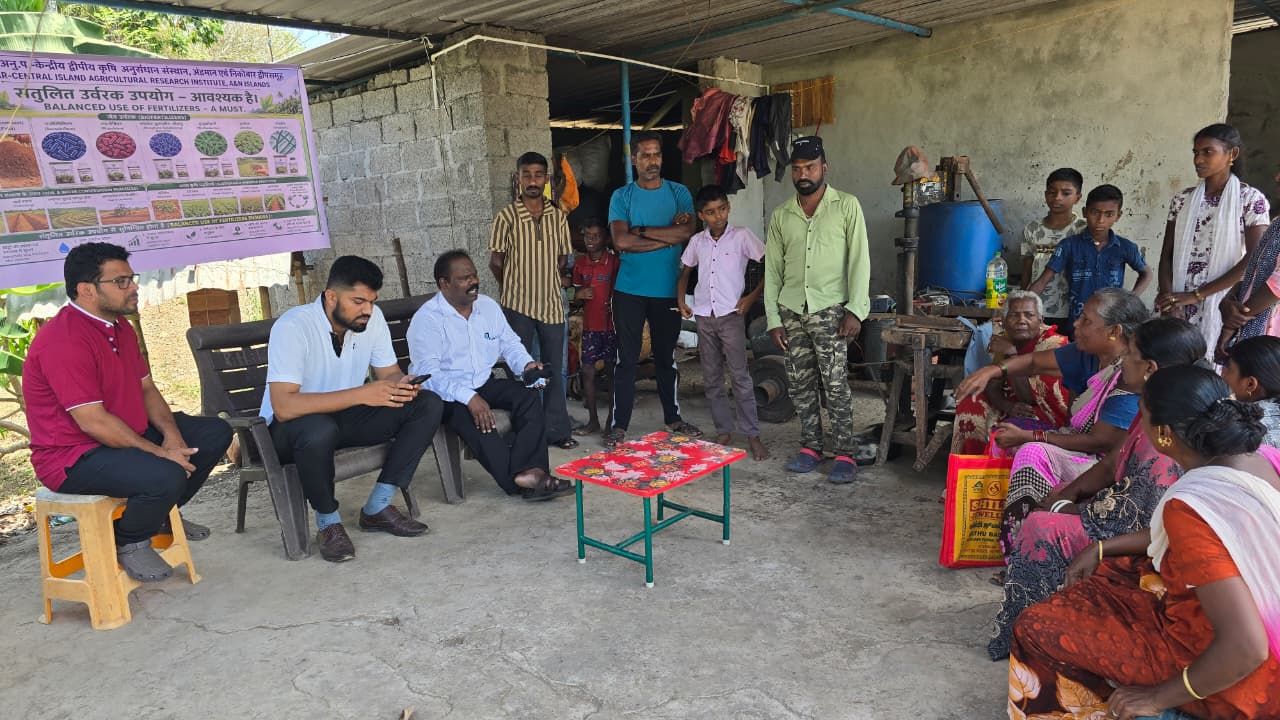
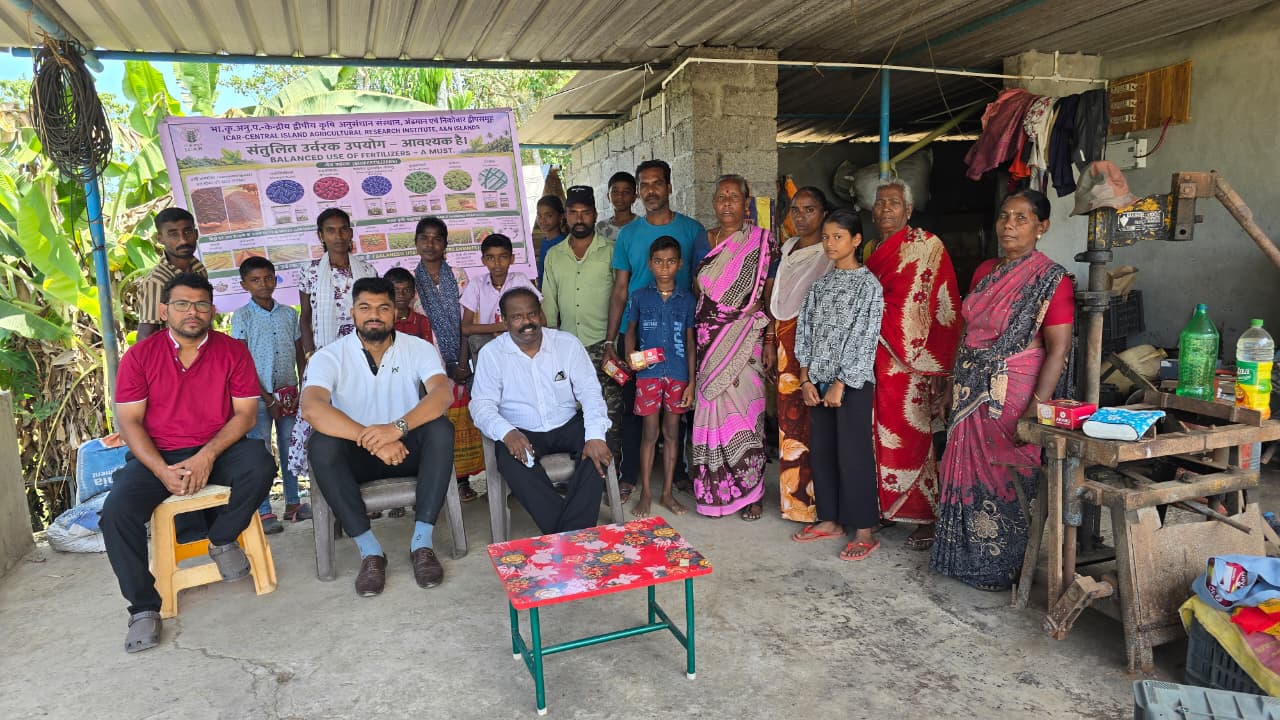
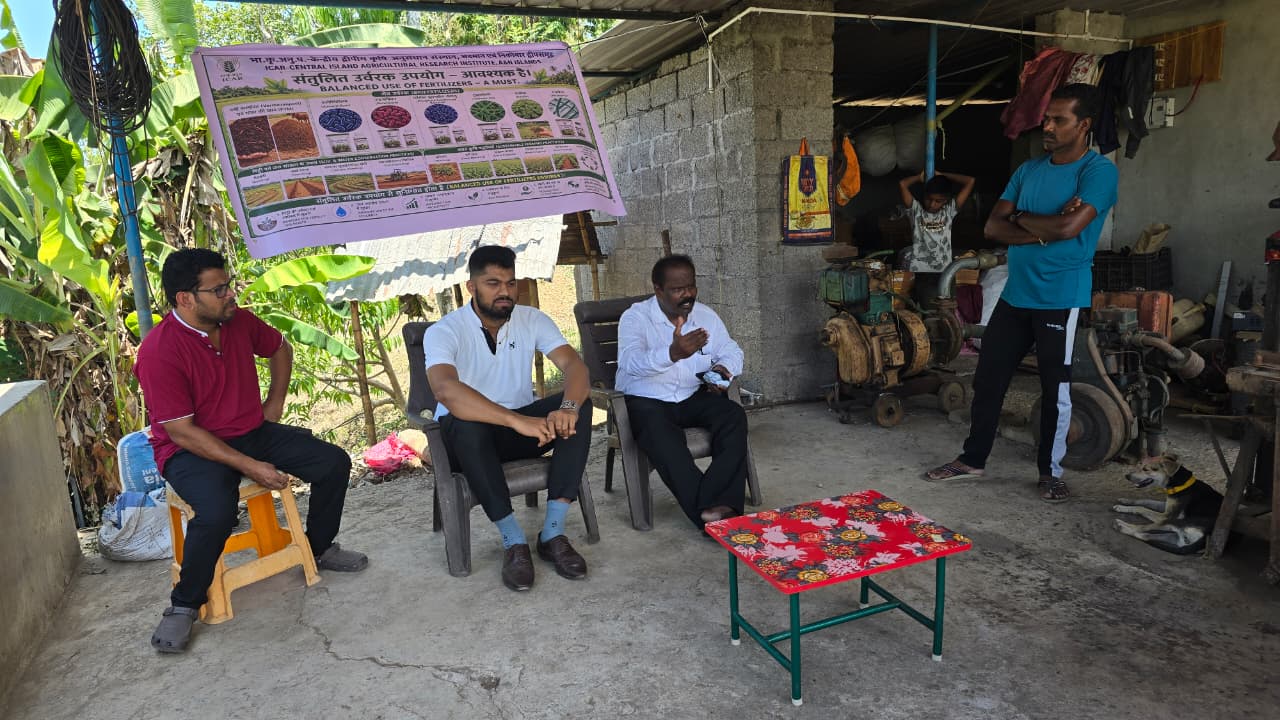

ICAR-Central Island Agricultural Research Institute (आईसीएआर-सीआईएआरआई), श्री विजयपुरम, Andaman & Nicobar Islands द्वारा 1 मई 2026 को दक्षिण अंडमान के कैलिकट, श्री विजयपुरम में “उर्वरकों का संतुलित उपयोग – समय की आवश्यकता” विषय पर किसान जागरूकता कार्यक्रम आयोजित किया गया। इस कार्यक्रम का उद्देश्य द्वीपीय परिस्थितियों में मृदा एवं जल संरक्षण तथा सतत कृषि के लिए संतुलित पोषक तत्व प्रबंधन को बढ़ावा देना था।
आईसीएआर-सीआईएआरआई के वैज्ञानिकों की टीम, जिसका नेतृत्व डॉ. M. Muruganandam, प्रधान वैज्ञानिक एवं अध्यक्ष, मत्स्य विज्ञान प्रभाग, ने किया, ने फसल उत्पादकता बढ़ाने, उत्पादन लागत कम करने तथा पर्यावरणीय जोखिमों को न्यूनतम करने के लिए जैविक, जैव एवं अकार्बनिक पोषक स्रोतों के समन्वित उपयोग के महत्व पर प्रकाश डाला।
ICAR-Indian Institute of Soil and Water Conservation में अपने कार्यकाल के दौरान ढालू भूमि एवं उच्च वर्षा वाले क्षेत्रों में कृषि प्रबंधन के व्यापक अनुभव का उल्लेख करते हुए डॉ. मुरुगानंदम ने बताया कि जैविक खादों और जैव उर्वरकों का संतुलित उपयोग, मृदा एवं जल संरक्षण उपायों का प्रभावी पूरक है। उन्होंने मेड़बंदी, ट्रेंचिंग, समोच्च खेती, मल्चिंग, हरी खाद, आवरण फसलें तथा मिश्रित खेती, अंतरवर्तीय खेती और फसल चक्र जैसी उन्नत कृषि प्रणालियों के महत्व पर विस्तार से चर्चा की। ये उपाय विशेष रूप से द्वीपों की उच्च वर्षा और सीमित संसाधनों वाली परिस्थितियों में वर्षाजल अपवाह और मृदा अपरदन को कम करने, नमी संरक्षण, पोषक तत्वों की हानि रोकने तथा फसल उत्पादकता बनाए रखने में अत्यंत सहायक हैं।
रासायनिक उर्वरकों की वर्तमान कमी तथा उनके अंधाधुंध उपयोग से होने वाले दुष्प्रभावों का उल्लेख करते हुए डॉ. मुरुगानंदम ने जैविक खादों और जैव उर्वरकों के उत्पादन एवं उपयोग में आत्मनिर्भरता की तत्काल आवश्यकता पर बल दिया। उन्होंने वर्मी-कम्पोस्टिंग, गोबर की सड़ी खाद (एफवाईएम) के उत्पादन तथा खेत स्तर पर जैव उर्वरकों के उपयोग को अपनाने की जोरदार वकालत की। उन्होंने कहा कि सुदृढ़ एवं सतत कृषि प्रणाली की ओर यह परिवर्तन कृषि विकास एजेंसियों, अनुसंधान संस्थानों और किसान समुदाय के समन्वित प्रयासों से ही संभव है।
डॉ. Rafeeque Rahman Alyethodie, वरिष्ठ वैज्ञानिक (पशु आनुवंशिकी एवं प्रजनन), ने आगामी मानसून ऋतु में पशुधन के समक्ष आने वाली प्रमुख स्वास्थ्य चुनौतियों पर चर्चा की तथा पशु उत्पादकता बढ़ाने हेतु आवश्यक निवारक एवं उपचारात्मक उपायों की जानकारी दी
डॉ. Puneet P. V., वैज्ञानिक (सब्जी विज्ञान), ने सब्जी एवं फल फसलों की उत्पादकता बनाए रखने तथा मृदा स्वास्थ्य संरक्षण के लिए संतुलित पोषक तत्व प्रबंधन के महत्व पर प्रकाश डाला। उन्होंने फसलों की विभिन्न वृद्धि अवस्थाओं और पोषक आवश्यकताओं के अनुसार फसल-विशिष्ट उर्वरक प्रबंधन अपनाने की आवश्यकता पर जोर दिया।
कार्यक्रम के दौरान क्षेत्र की प्रमुख फसलों की पोषक आवश्यकताओं तथा उर्वरक प्रबंधन रणनीतियों को दर्शाने वाला एक प्रदर्शन बैनर प्रदर्शित किया गया, जिससे प्रतिभागियों को विषय की बेहतर समझ प्राप्त हुई। किसानों को रासायनिक उर्वरकों के उपयुक्त विकल्पों के बारे में मार्गदर्शन दिया गया तथा आईसीएआर-सीआईएआरआई एवं इसके कृषि विज्ञान केंद्रों (केवीके) में उपलब्ध जैविक एवं जैव उर्वरक उत्पादन संबंधी प्रशिक्षण अवसरों की जानकारी प्रदान की गई।
इस कार्यक्रम में 25 किसानों, जिनमें 9 महिला किसान तथा 10 अगली पीढ़ी के युवा किसान शामिल थे, ने सक्रिय भागीदारी की। संवादात्मक सत्र के दौरान प्रतिभागियों ने जैविक एवं जैव उर्वरक आधारित आदानों की उपलब्धता, तैयारी, उपयोग विधि तथा उपयुक्त प्रयोग समय के संबंध में विस्तृत जानकारी प्राप्त की।
The ICAR-Central Island Agricultural Research Institute (ICAR-CIARI), Sri Vijaya Puram, Andaman & Nicobar Islands, organized a farmer sensitization programme on “Balanced Use of Fertilizers – A Must” at Calicut, Sri Vijaya Puram, South Andaman, on 1 May 2026. The programme focused on promoting balanced nutrient management as an essential component of soil and water conservation and sustainable farming under island conditions.
A team of scientists from ICAR-CIARI, led by Dr. M. Muruganandam, Principal Scientist and Head, Fisheries Science Division, emphasized the importance of integrating organic, biological, and inorganic nutrient sources to enhance crop productivity while reducing input costs and minimizing environmental risks.
Drawing upon his extensive experience in farming on sloping lands and under high-rainfall conditions during his tenure at the ICAR-Indian Institute of Soil and Water Conservation, Dr. Muruganandam highlighted that the balanced application of organic manures and biofertilizers complements soil and water conservation measures. He elaborated on the significance of practices such as bunding, trenching, contour farming, mulching, green manuring, cover cropping, and improved cropping systems including mixed cropping, intercropping, and crop rotation. These measures help reduce runoff and soil erosion, conserve moisture, minimize nutrient losses, and sustain crop yields, particularly under the high-rainfall conditions and resource limitations prevalent in the islands.
Officials from KVK South Andaman and the Department of Agriculture, Andaman Administration, also participated in the programme. Around 30 farmers attended the Field Day and interacted with the scientists on sesame cultivation and its future prospects in the island.
Referring to the current scarcity of chemical fertilizers and the adverse effects of their indiscriminate use, Dr. Muruganandam stressed the urgent need for achieving greater self-reliance in the production and use of organic manures and biofertilizers. He strongly advocated the adoption of vermicomposting, farmyard manure production, and on-farm biofertilizer use. He noted that this transition toward resilient and sustainable farming systems would require coordinated efforts among agricultural development agencies, research institutions, and farming communities.
Dr. Rafeeque Rahman Alyethodie, Senior Scientist (Animal Genetics and Breeding), discussed key livestock health challenges during the forthcoming monsoon season and outlined appropriate preventive and treatment measures to improve animal productivity.
Dr. Puneet P. V., Scientist (Vegetable Science), highlighted the importance of balanced nutrient application for sustaining the productivity of vegetable and fruit crops while maintaining soil health. He emphasized the need for crop-specific application of fertilizers based on their nutrient requirements at different stages of the crops.
A display banner illustrating the nutrient requirements of major crops and fertilizer management strategies for the region was used during the programme to facilitate better understanding among the participants. Farmers were also guided on suitable alternatives to chemical fertilizers and informed about training opportunities related to organic and biofertilizer production available at ICAR-CIARI and its Krishi Vigyan Kendras (KVKs). Around 25 farmers, including 9 women farmers and 10 next-generation farmer youths, actively participated in the programme. The participants sought information on the availability, preparation, methods, and appropriate timing of applying organic and biofertilizer-based inputs during an interactive session.