
The ICAR–Central Island Agricultural Research Institute (ICAR-Central Island Agricultural
Research Institute), Sri Vijaya Puram, Andaman & Nicobar Islands, organized a farmer
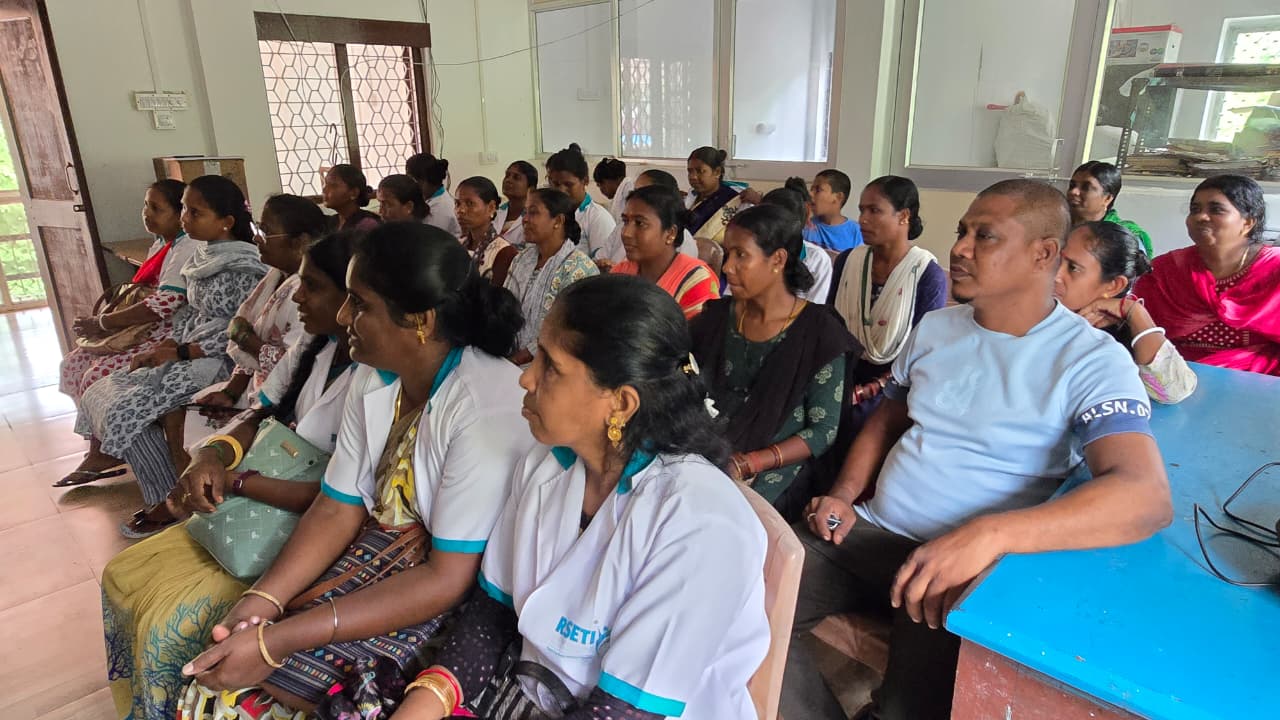
sensitization programme on “Balanced Use of Fertilizers and Entrepreneurial Farming” at
Guptapara Panchayat, South Andaman, on 21 May 2026. The programme aimed to promote
balanced nutrient management, improve soil health, and encourage entrepreneurial farming
systems suited to the fragile island ecosystem.
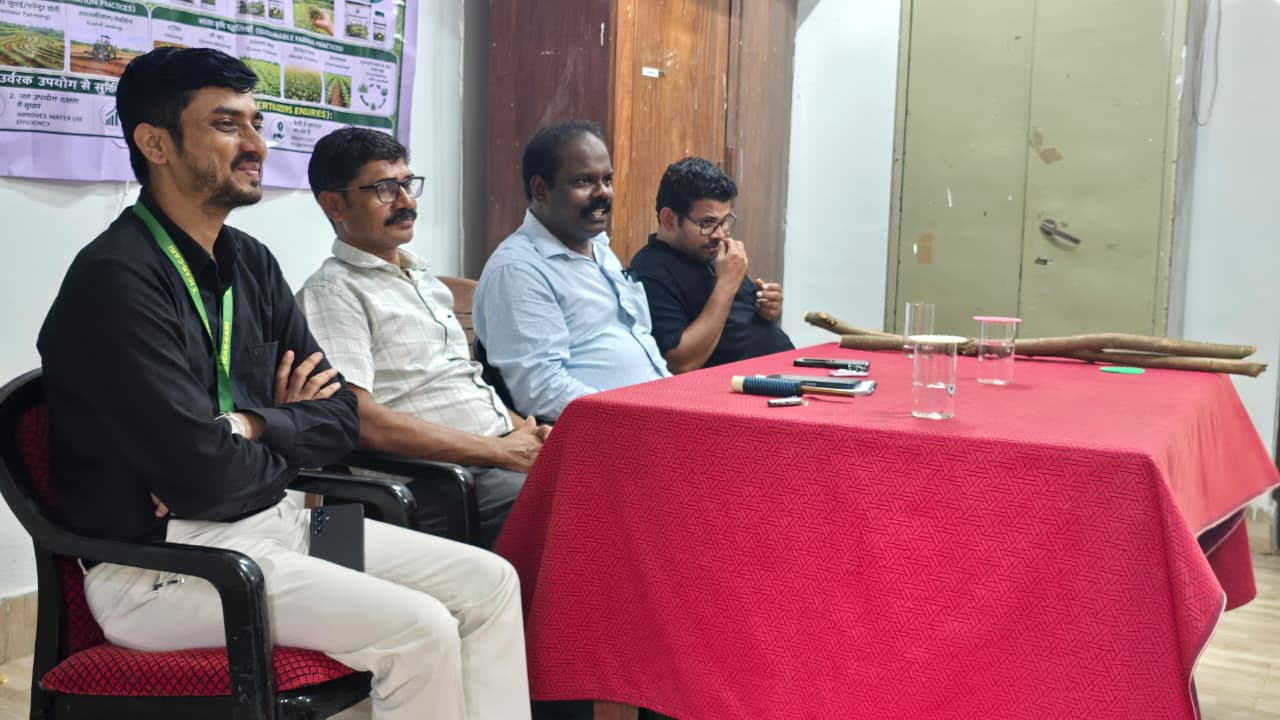
The programme was conducted by a team of scientists comprising Dr. M. Muruganandam,
Principal Scientist and Head (Fisheries Science Division), Dr. Ajit Arun Waman, Senior
Scientist (Spices), and Dr. Rafeeque Rahman Alyethodie, Senior Scientist (Animal Genetics and
Breeding). They jointly addressed key aspects of integrated farming, climate resilience, and
livelihood diversification for rural farmers, particularly women-led groups and Self-Help Groups
(SHGs).
Dr. M. Muruganandam stressed the importance of conserving soil and rainwater resources for
long-term productivity. He highlighted the need to reduce dependence on chemical fertilizers
such as urea and DAP due to their limited availability and environmental concerns. He advocated
greater use of organic manures, biofertilizers, vermicomposting, farmyard manure, and
biological inputs, along with inclusion of legumes, pulses, beans, and Azolla for natural nitrogen
enrichment. He also recommended rainwater harvesting and integrated fish farming models to
enhance resource-use efficiency and farm resilience.
Dr. Ajit Arun Waman emphasized the value of indigenous, underutilized, and climate-resilient
fruit crops that require minimal external inputs while contributing to nutrition and food security.
He highlighted that promoting native germplasm like Cowphal, Goonphal and Kattaphal can
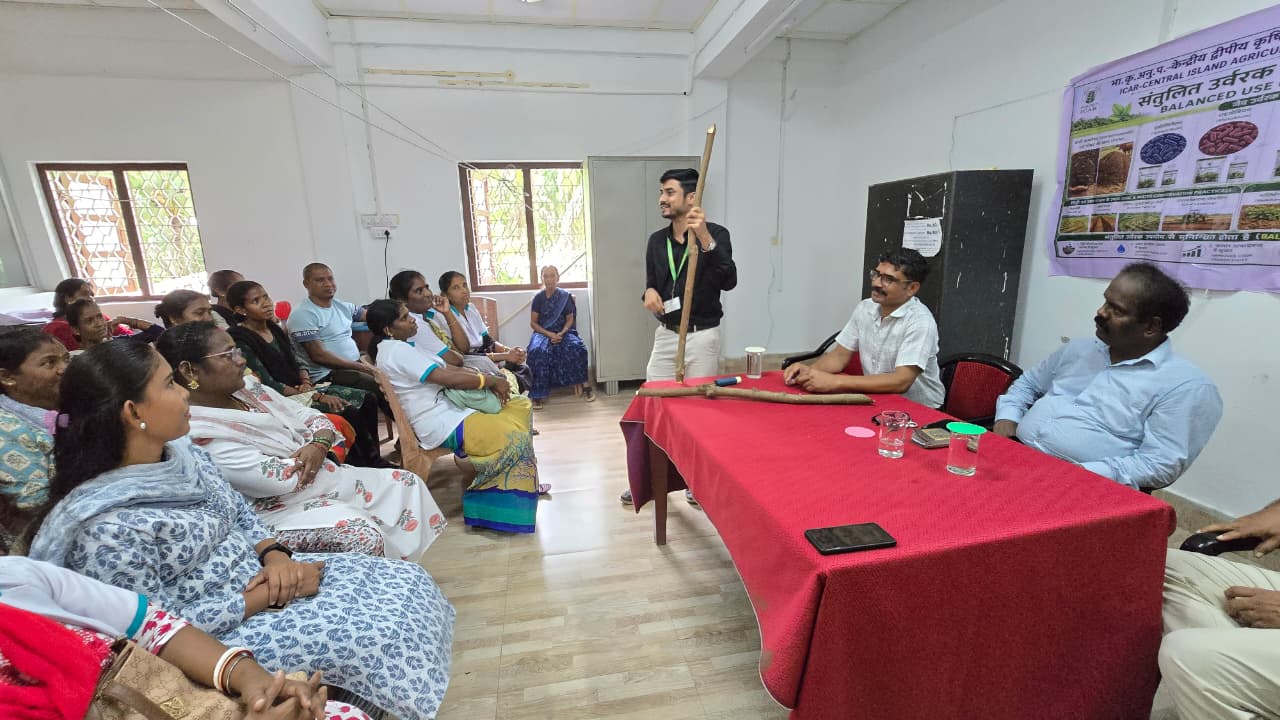
reduce input dependency and strengthen sustainable farming systems. He also demonstrated the entrepreneurial potential of spice crops, particularly cinnamon, explaining scientific harvesting
and bark extraction techniques that ensure better yield, quality, and income generation.
Dr. Rafeeque Rahman Alyethodie addressed livestock health management in view of the
upcoming monsoon season. He explained preventive measures against seasonal diseases,
stressing vaccination, hygiene, balanced feeding, and timely veterinary care to safeguard
livestock productivity and reduce economic losses in smallholder systems.
The village Pradhan, Sh. Durlapdas highlighted the contribution of SHGs and farmer collectives
in strengthening agricultural enterprises through collective action, value addition, and improved
market access in the Panchayat.
The event highlighted that balanced nutrient management is essential for sustaining soil fertility,
conserving water resources, and ensuring long-term agricultural productivity in island
conditions. Scientists emphasized the integration of organic, biological, and need-based
inorganic inputs to reduce production costs while maintaining environmental sustainability.
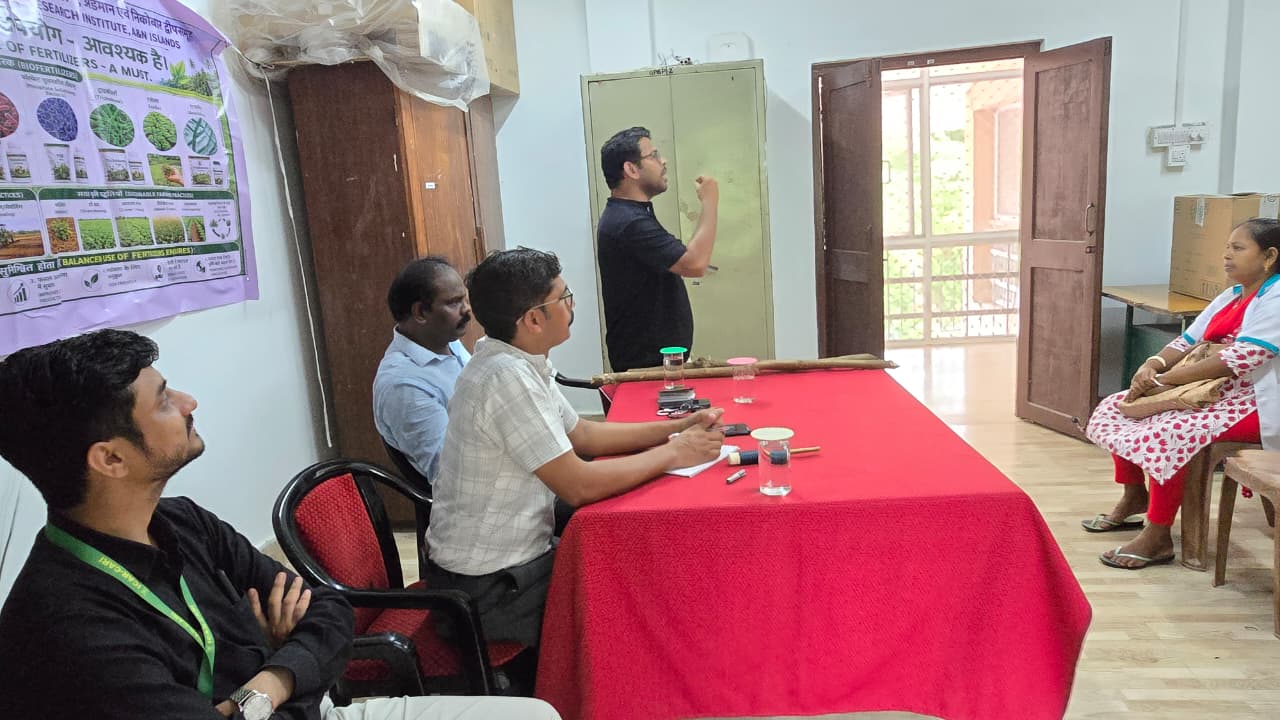
Practical demonstrations and an interactive session enabled farmers to clarify doubts on fertilizer
use, organic inputs, biofertilizer preparation, and sustainable farming practices.
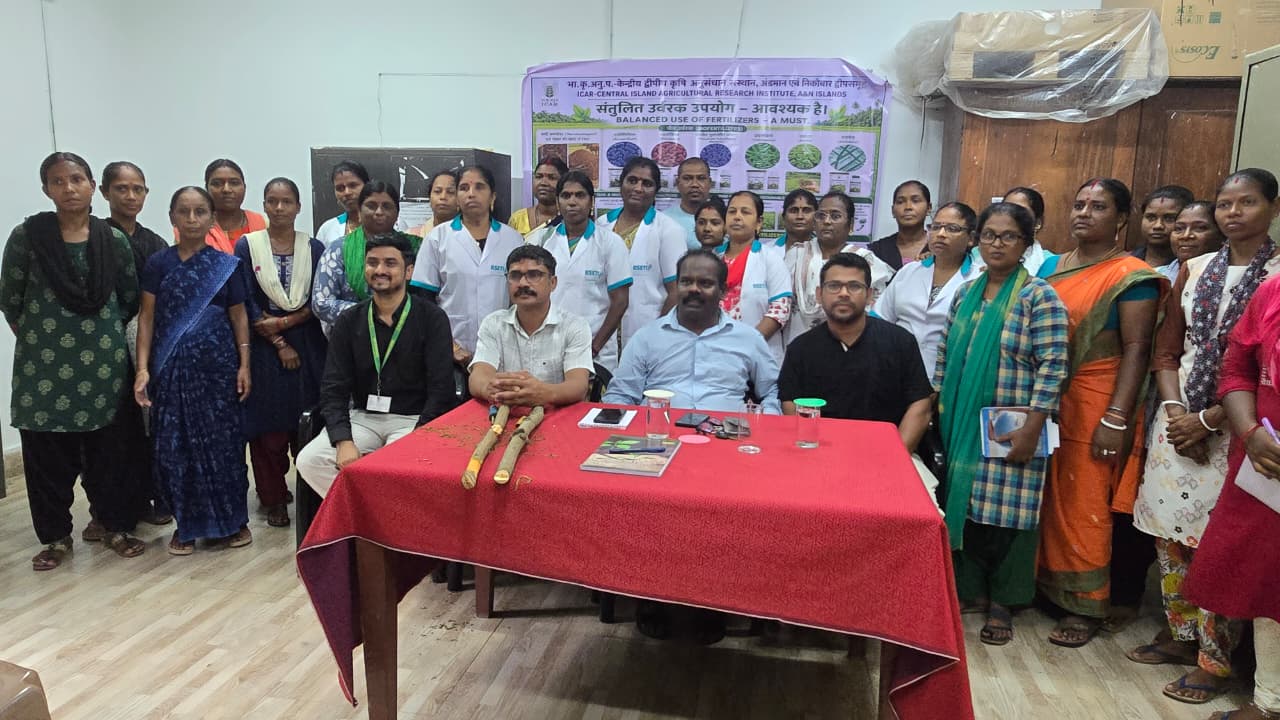
About 45 women farmers and entrepreneurs and 10 progressive farmers from Guptapara and sh
Chandan Kumar, technician and other staff from ICAR-CIARI participated in the programme.
Sh. Durlapdas, and farmers expressed interest in visiting ICAR-CIARI facilities for further
learning and collaboration.
The programme reaffirmed ICAR-CIARI’s commitment to promoting balanced fertilizer use,
sustainable nutrient management, and entrepreneurial farming systems aligned with national
goals of soil health improvement, reduced chemical dependency, and resilient agricultural
development in island ecosystems.